
About pecan
Build clinical confidence. Deliver better patient care.

Confidence in clinical practice grows through experience, reflection and honest feedback. Yet many clinicians spend much of their working week without anyone observing their reasoning or telling them, constructively, what they could do better. Good critical feedback is one of the most valuable things a clinician can receive — and one of the hardest to find.
pecan gives you that feedback, case after case, in a safe and controlled setting.
Built from clinical experience.
pecan was created by an Advanced Practice Physiotherapist who has worked alongside excellent clinical mentors — and in roles where clinical support was limited. That contrast showed how much the right feedback shapes a clinician, and how important these skills are for patient safety and for the confidence to manage complex and difficult presentations.
pecan offers a safe, controlled learning environment where you can practise freely, make mistakes without consequence, and receive extremely detailed, evidence-based feedback on every consultation — what you did well, what you missed and why it matters.
What the cases cover
Think beyond the tissue.
Basic to complex presentations
From straightforward MSK problems to multi-factorial cases that reward careful reasoning.
Difficult conversations
Frustrated, anxious or sceptical patients, and the conversations that are hardest to get right.
Red flags
Rehearse the screening that keeps patients safe, until it becomes second nature.
Atypical presentations
Cases that need a holistic view, thinking psychosocially as well as clinically.
Masquerading conditions
Non-MSK conditions presenting as MSK - such as cancers, infections, cardiac causes and fibromyalgia.
Pattern recognition
A growing library of 200+ cases to deepen your understanding of clinical signs and presentations.
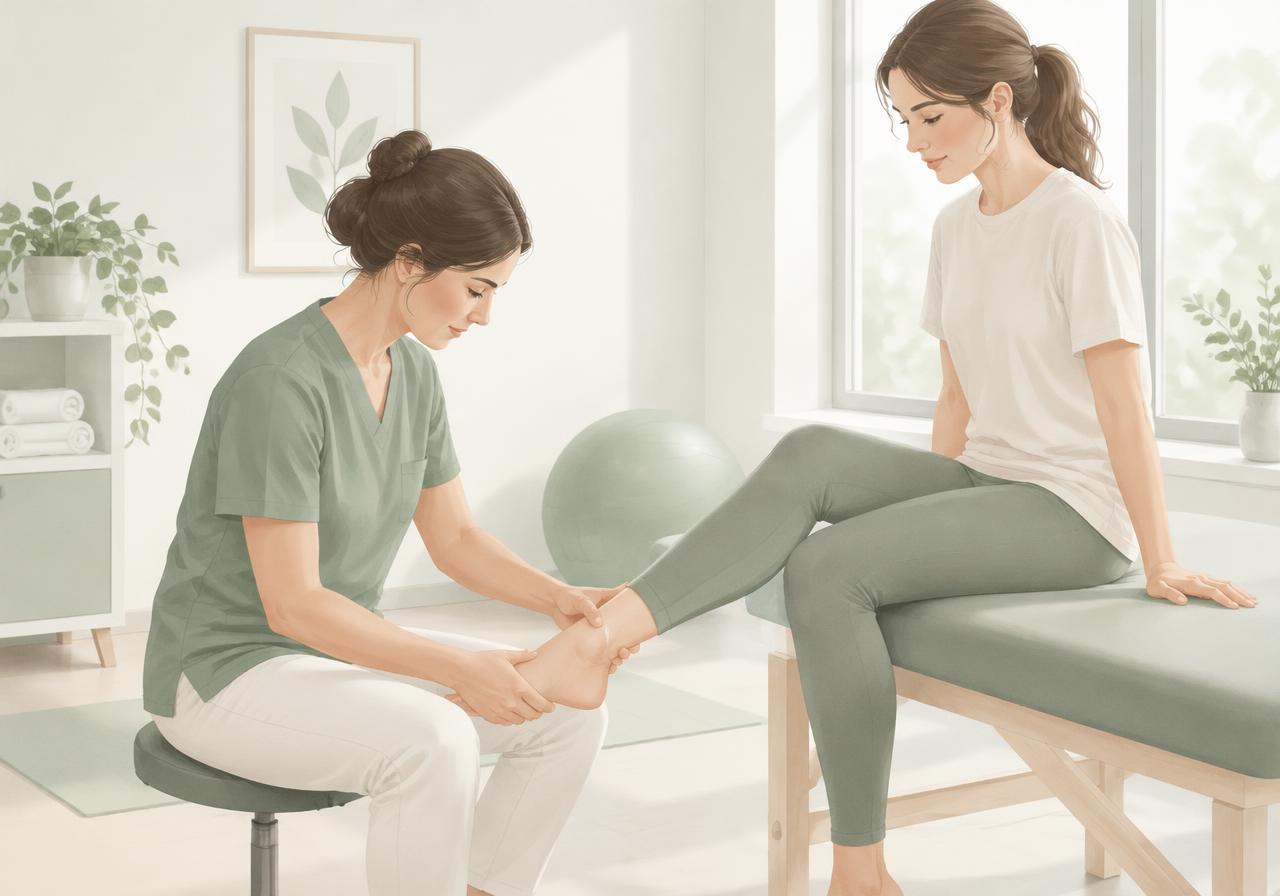
Better practice. Better care.
Our aim is simple: to help every practitioner develop sharper reasoning, safer screening and more patient-centred communication — and, ultimately, to improve the quality of care patients receive.